
Exploring the psychological triggers behind gambling behavior in casinos
The Role of Environment in Gambling
The physical environment of a casino plays a significant role in influencing gambling behavior. Bright lights, vibrant colors, and the sounds of spinning slots and cheering crowds create a stimulating atmosphere that can heighten excitement. This carefully curated ambiance is designed to keep players engaged and encourages them to stay longer. In many cases, aspects of the experience, like aus online pokies, can succeed in distracting individuals from the reality of their losses while amplifying the thrill of potential winnings.
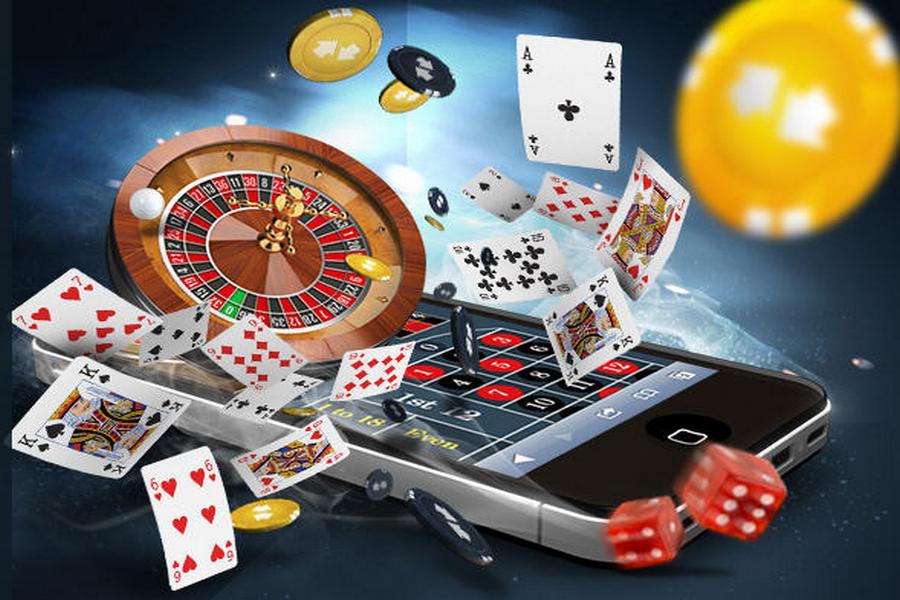
Additionally, the layout of casinos is strategically designed to guide players through the space, often leading them toward high-stakes games. This manipulation of space can foster impulsive decision-making, as players may find themselves drawn into games without fully considering the financial implications. The interplay between environment and psychology creates a complex web that can significantly affect gambling behavior.
The Impact of Reward Systems
Casinos utilize intricate reward systems to encourage repeat play. These systems often include loyalty programs, bonuses, and jackpots, which can trigger the brain’s reward pathways. When a player wins, even small amounts, their brain releases dopamine, creating feelings of pleasure and satisfaction. This chemical response can lead to a cycle of seeking out similar experiences, fostering continued gambling even in the face of losses.
The anticipation of winning also plays a crucial role in gambling behavior. The psychological phenomenon known as the “near-miss effect” suggests that players who come close to winning are more likely to continue playing. This sense of hope can override rational thinking, causing individuals to chase losses in hopes of hitting that elusive jackpot.
Emotional Influences on Gambling Decisions
Emotions can significantly influence gambling behavior, often acting as triggers for impulsive decisions. For many, gambling serves as an escape from stress, anxiety, or depression. The thrill of the game can temporarily alleviate negative feelings, reinforcing the desire to gamble as a coping mechanism. This emotional connection can create a dangerous cycle where individuals gamble not just for enjoyment but as a means of managing their mental health.
The social aspect of gambling can also amplify these emotional triggers. Playing with friends or in crowded environments can enhance feelings of camaraderie and excitement. However, peer pressure and the desire to fit in can lead individuals to gamble more than they intended, blurring the lines between social fun and problematic behavior.
The Psychology of Risk and Reward
Gambling inherently involves risk, which can be both thrilling and terrifying. The psychology of risk-taking is closely tied to personality traits and individual differences. Some individuals possess a higher tolerance for risk and are more likely to engage in gambling behaviors, while others may avoid such activities altogether. Understanding these psychological profiles can provide insight into why certain people are more susceptible to developing gambling habits.
The concept of “loss aversion” also plays a role in gambling behavior. Many individuals are more motivated to avoid losses than to seek gains, which can lead to irrational decision-making. This phenomenon can drive gamblers to pursue losses in an attempt to break even, perpetuating a cycle that can be difficult to escape.

Understanding Gambling Behavior Through Research
Research on gambling behavior provides valuable insights into the psychological triggers at play in casinos. Various studies have highlighted the importance of cognitive biases, emotional states, and environmental factors in shaping gambling decisions. By examining these elements, we can better understand the complex motivations behind gambling and develop strategies for prevention and intervention.
For those looking to explore the intricacies of human behavior further, resources like Globalization101.org offer essential insights into not only gambling but also the broader implications of various societal behaviors. Understanding these triggers can empower individuals to make informed choices and foster healthier relationships with gambling and other activities.

 © 2026 Nekünk Bevált | Minden jog fenntartva.